The Goal
Optimise inventory tracking and reduce human error by replacing manual counting and fragmented processes with real-time, AI-driven visibility across warehouse operations. The objective was to improve stock accuracy, streamline workflows, and create a scalable foundation for data-driven logistics management.
The Result
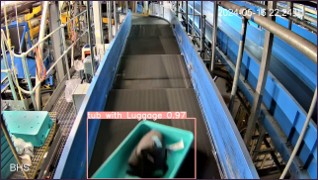
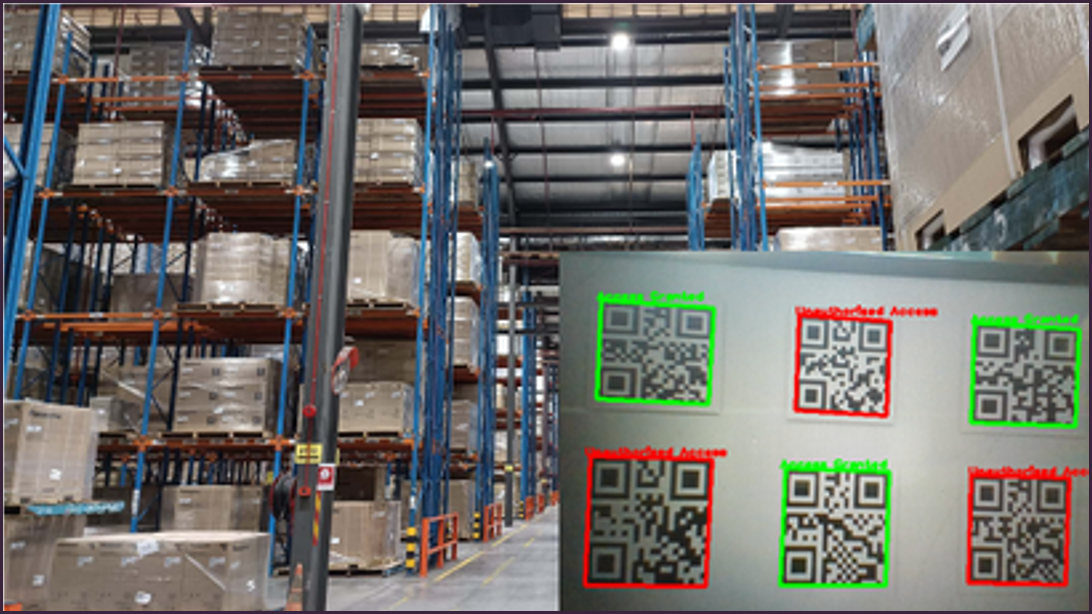
Improved Inventory Accuracy: Real-time object detection and classification significantly reduced discrepancies caused by manual counting, misplacement, and delayed updates.
25% Reduction in Operational Costs: Automation lowered labour-intensive checks, minimised rework, and reduced losses caused by misplaced or unaccounted inventory.
Faster Operational Response: Early detection of anomalies enabled teams to resolve issues before they escalated into shipment delays or fulfilment errors.
Enhanced Management Visibility: Centralised dashboards provided continuous insight into stock levels, movement patterns, and space utilisation.
Unlock Intelligence for Long-Term Improvement
Trend and Anomaly Analysis: Aggregated data revealed recurring object placement issues, informing training and layout redesign.
Predictive Risk Forecasting: AI models anticipate high-risk times or zones based on historical data, weather, or shift patterns.
Process Optimisation: Identified bottlenecks and inefficiencies caused by object misplacement or congestion.
Security and Compliance Reporting: Automated reports supported regulatory compliance and internal audits.
Dynamic Zone Management: Heatmaps and detection trends enabled adaptive zoning policies and targeted surveillance.