
Speed Detection
Micro Mobility
Public Safety
Smart Parks
Traffic Analytics

Bicycle Speeding Detection in Public Parks

City Councils / Parks AuthoritiesGovernment, Smart City, Public Infrastructure
Bicycle Speeding Detection In Public Parks
Bicycle Speeding Detection in Public Parks - Government, Smart City, Public Infrastructure case study for City Councils / Parks Authorities

Key Results

  • AI-powered speed Cameras
  • Automated Alerts
  • Mobile Notifications
  • Data Collection and Analysis

Project Info

Client
City Councils / Parks Authorities
Industry
Government, Smart City, Public Infrastructure
Category
Smart Mobility Traffic Intelligence
Completed

The Challenge

Public park roads must accommodate pedestrians, joggers, cyclists, and families. However, cyclists' speeding poses serious safety risks, leading to accidents. Traditional enforcement methods have proven inadequate as violations often go undetected
Our Solution

  • AI-Powered thermal Cameras: To monitor equipment temperature and detect overheating
  • Smoke and Gas Sensors: These are for early warnings of potential fire risks
  • Automated Alerts: Instant alerts are sent to operators and emergency responders upon detection of hazards
  • Data Collection & Analysis: Continuous monitoring enables predictive maintenance and practical risk assessment

Project Details

The Goal

This initiative aims to implement a real-time bicycle speeding detection and alert system to enhance safety, prevent accidents, and encourage responsible cycling while preserving the park's environment

The Result

  • AI-powered speed Cameras: High-resolution cameras with AI motion analysis installed along busy park roads to track speeding cyclists
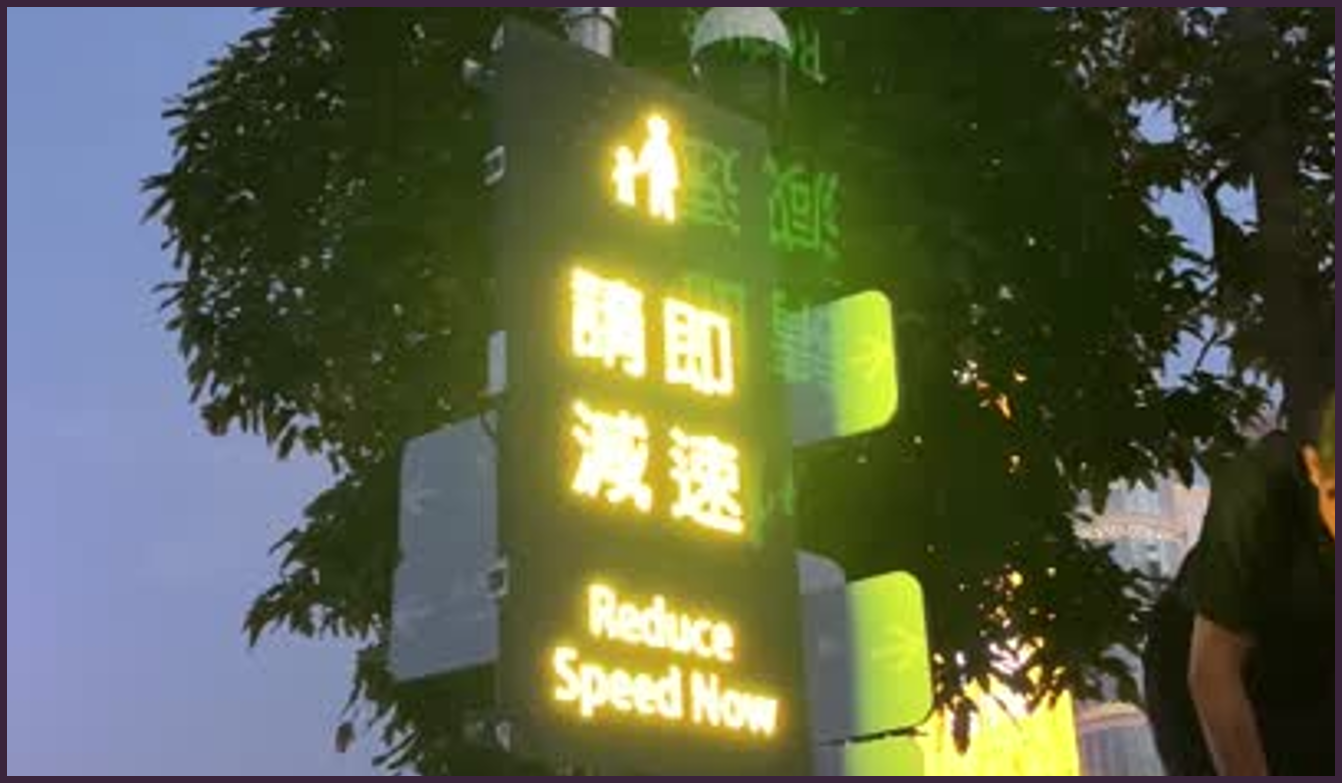
  • Automated Alerts: When speed limits are exceeded, real-time alerts are sent to park authorities and displayed on digital signboards
  • Mobile Notifications: A mobile app provides cyclists with immediate feedback on their speed, encouraging safe riding
  • Data Collection and Analysis: Continuous speed data collection allows officials to analyse trends and refine safety policies

Unlock Intelligence for Long-Term Improvement

  • Behavioural Pattern Recognition: Analysis of speed trends over time revealed high-risk periods, zones, and user types
  • Predictive Risk Forecasting: Machine learning models used historical data to predict future high-speed activity based on traffic, weather, or event patterns
  • Urban and Infrastructure Planning: Insights supported the redesign of pathways, signage placement, and buffer zones to encourage safer behaviour
  • Resource Allocation: Data guided the optimal deployment of traffic enforcement personnel, barriers, or alerts during peak risk periods
  • Public Awareness and Policy Advocacy: Aggregated data supported educational campaigns and policy updates for safer mobility
Bicycle Speeding Detection in Public Parks detail 1
Bicycle Speeding Detection in Public Parks detail 2