Illegal Parking
LPR
Traffic Enforcement
Air Quality
Urban Mobility

Illegal Vehicle Parking & Idling Detection

Transport Departments / MunicipalitiesGovernment, Transportation
Illegal Vehicle Parking Idling Detection
Illegal Vehicle Parking & Idling Detection - Government, Transportation case study for Transport Departments / Municipalities

Key Results

  • Improved Traffic Flow
  • Enhanced Enforcement Efficiency
  • Reduced Environmental Impact
  • Increased Public Awareness
  • Scalability

Project Info

Client
Transport Departments / Municipalities
Industry
Government, Transportation
Category
Smart Mobility Traffic Intelligence
Completed

The Challenge

Public roads face ongoing issues with illegal parking and idling, leading to traffic congestion, safety hazards, and environmental concerns. Traditional enforcement methods are often inadequate for real-time violation detection
Our Solution

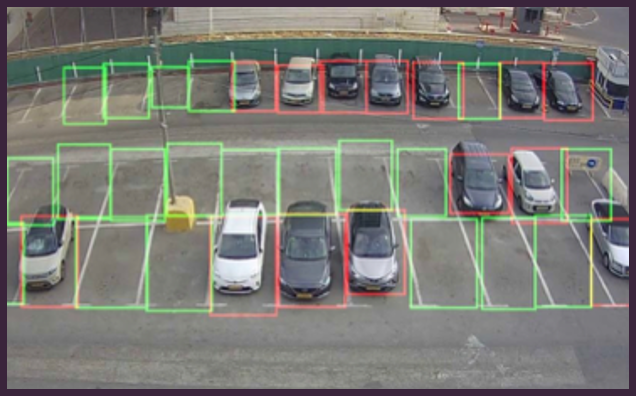
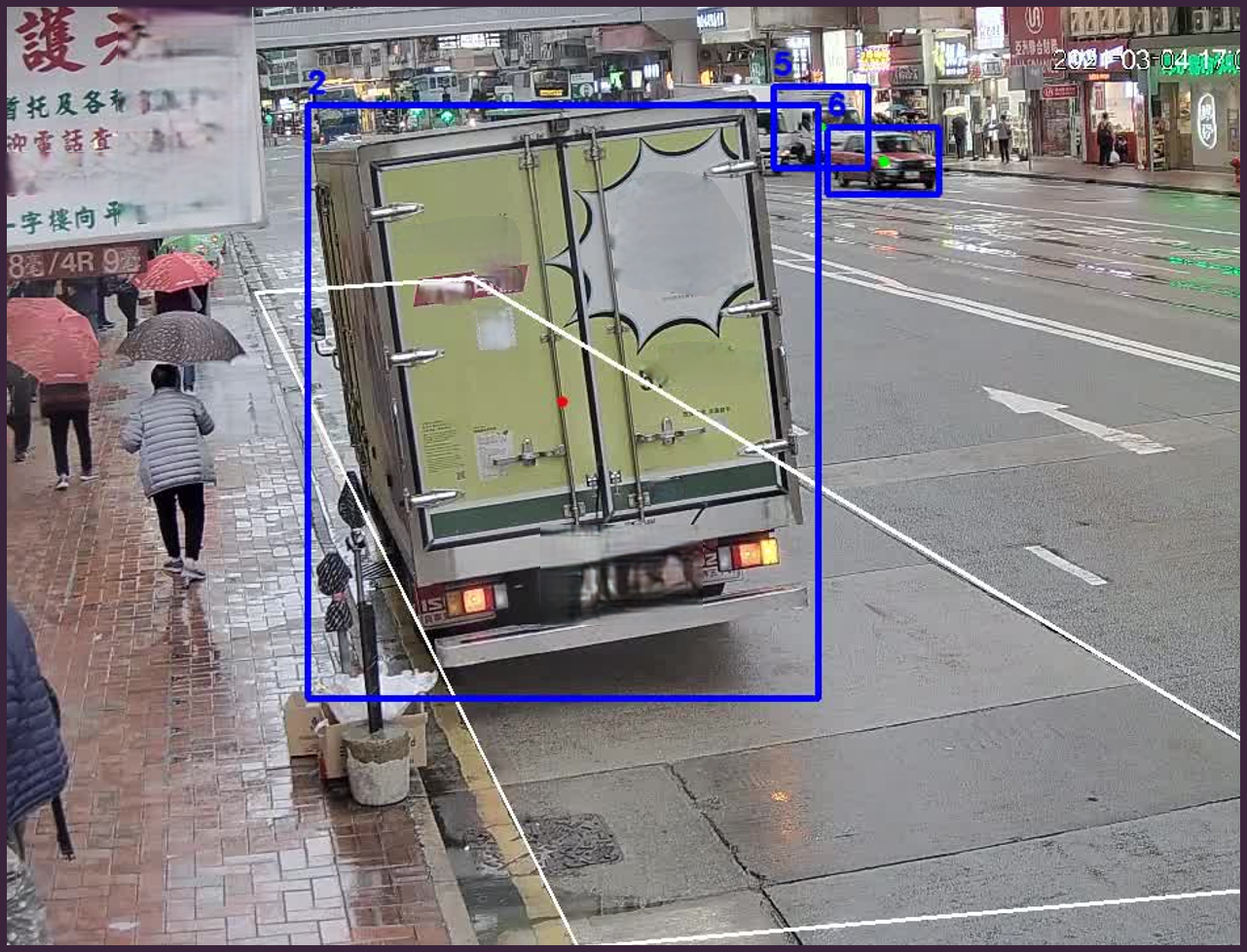
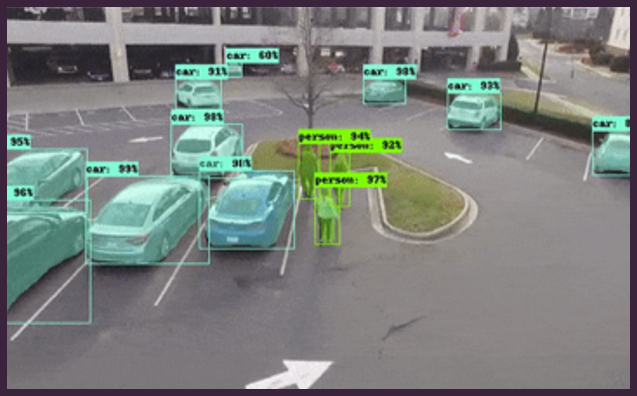
  • AI-powered Cameras: High-resolution cameras with image recognition detect illegal parking and idling
  • License Plate Recognition (LPR): This technology identifies vehicle plates for enforcement and record-keeping
  • Automated Alerts: Real-time notifications are sent to traffic officers, with digital warnings displayed in the area
  • Mobile App Integration: A public app provides immediate alerts about violations and shares real-time legal parking information
  • Data Collection: Continuous logging allows city officials to analyse trends and optimise traffic policies

Project Details

The Goal

This initiative aims to revolutionise traffic management by developing a real-time detection system for illegal parking and idling, enhancing safety, streamlining management, and reducing environmental impact.

The Result

  • Improved Traffic Flow: Reduced unauthorised parking decreases congestion
  • Enhanced Enforcement Efficiency: Prompt alerts minimise reliance on manual patrols
  • Reduced Environmental Impact: Monitoring idling vehicles lowers fuel waste and improves air quality
  • Increased Public Awareness: Digital alerts educate drivers on responsible practices
  • Scalability: The system’s success indicates potential expansion to other urban areas

Unlock Intelligence for Long-Term Improvement

  • Behavioural Pattern Recognition: Analysis of speed trends over time revealed high-risk periods, zones, and user types
  • Predictive Risk Forecasting: Machine learning models used historical data to predict future high-speed activity based on traffic, weather, or event patterns
  • Urban and Infrastructure Planning: Insights supported the redesign of pathways, signage placement, and buffer zones to encourage safer behaviour
  • Resource Allocation: Data guided the optimal deployment of traffic enforcement personnel, barriers, or alerts during peak risk periods
  • Public Awareness and Policy Advocacy: Aggregated data supported educational campaigns and policy updates for safer mobility
Illegal Vehicle Parking & Idling Detection detail 1
Illegal Vehicle Parking & Idling Detection detail 2
Illegal Vehicle Parking & Idling Detection detail 3